
Who Should Set Educational Goals for Our Children?


When it comes to education, most parents want the same thing: for their children to grow, thrive, and reach their fullest potential.
But somewhere along the way, many families begin to feel disconnected from the decisions shaping their children’s learning experience.
Curriculum standards are created. Benchmarks are established. Policies are debated. And while these systems are often designed with good intentions, many parents are left wondering:
How much influence do I actually have over my child’s education?
Who gets to decide what success looks like for them?
And what happens when my child’s needs don’t fit neatly inside a standardized system?
These questions reach far beyond politics or policy. They touch something much deeper: the responsibility of guiding a child toward a meaningful, well-rounded future.

Parents spend years observing their children in ways no institution ever fully can.
You notice how they process information. What sparks their curiosity.
What discourages them.
The environments where they feel confident, engaged, and motivated to learn.
You know when they need structure—and when they need space.
And while educational experts, developmental researchers, and policymakers can provide valuable insight, their work is often built around broad trends, averages, and large groups of students.
Your child is not an average.
They are an individual human being with unique strengths, challenges, interests, and potential.
That’s why education should never become solely about meeting standardized expectations. It should also make room for personalization, flexibility, and the values that matter most to each family.
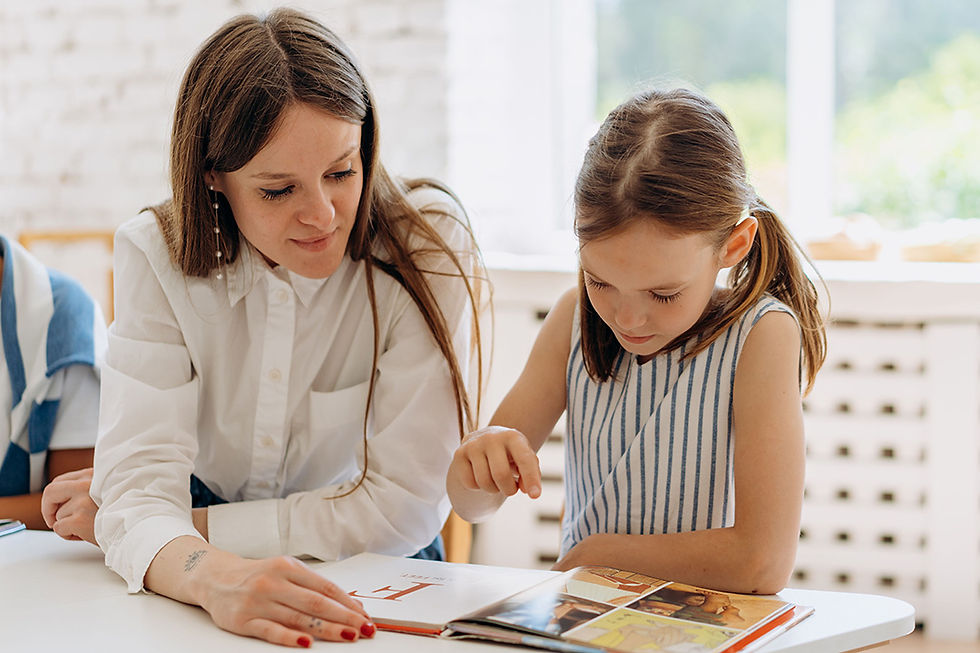
Some believe educational goals should primarily prepare children to become competitive members of the workforce. And while practical life preparation certainly matters, education is about more than producing productivity.
It’s about developing critical thinking.
Character.
Creativity.
Confidence.
Curiosity.
And a sense of identity that extends beyond performance metrics or career outcomes.
At the center of all of this stands the parent—not as someone who has all the answers, but as someone uniquely positioned to advocate for their child as a whole person.
That doesn’t mean rejecting expertise or refusing guidance. It means recognizing that no outside institution can fully replace the insight that comes from truly knowing your child.
The most meaningful educational decisions often happen when parents move from passive observers to intentional participants in shaping their child’s learning journey.
And whether your child is in public school, private school, homeschool, or somewhere in between, your voice matters more than you may realize.
Because education works best when it’s not simply imposed from a distance...but thoughtfully shaped by the people most invested in a child’s growth.
If you’re beginning to think more intentionally about your child’s educational experience, start by asking a different kind of question:
Not just:
“What standards should my child meet?”
But also:
“What kind of learner—and what kind of person—am I helping them become?”
That shift in perspective changes everything.
And for families exploring more personalized approaches to learning, tools like the 2-Hour School Day Blueprint can help create structure, clarity, and flexibility while keeping your child’s unique needs at the center of the process.
Download the free Blueprint and begin building a learning rhythm that aligns with your values, your goals, and your child’s individual growth.

Comments